
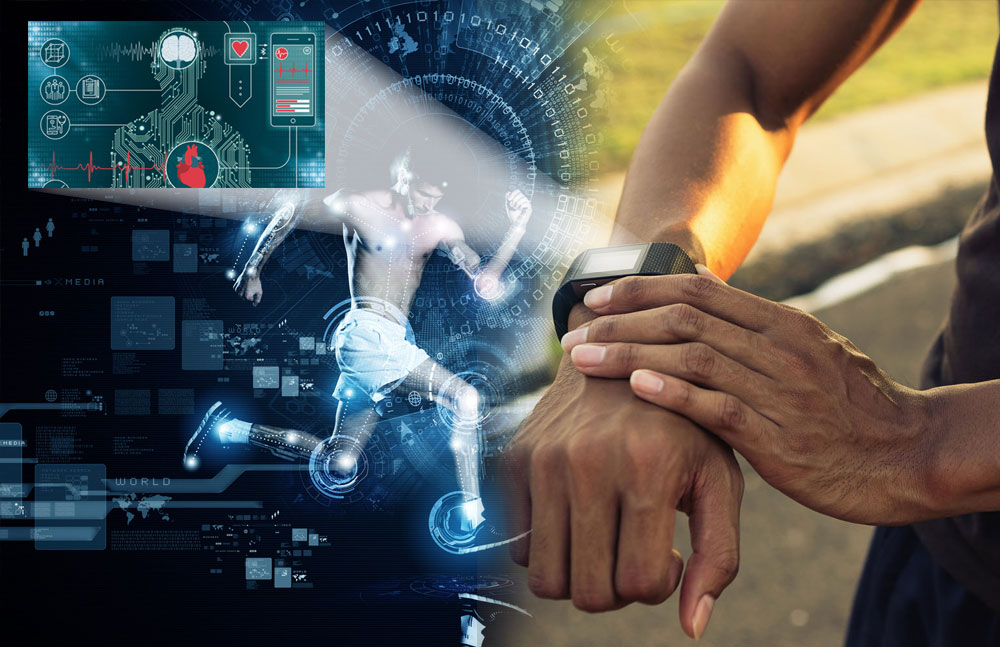
Wearable technology has become a normal part of sports and fitness, from step counters and smartwatches to heart-rate straps and recovery-focused devices. These tools are useful because they turn movement, effort, and routine behavior into measurable signals that people can review over time.
The value of wearables is not just in collecting more data. It is in helping athletes, coaches, and everyday users notice patterns that support better decisions about training, recovery, and overall health habits.
What wearable technology usually measures
Different devices track different things, but common metrics include:
- heart rate
- steps and daily movement
- distance and pace
- sleep duration and timing
- workout load and recovery estimates
- location and route data
Some advanced systems also monitor cadence, power, muscle load, or sport-specific movement depending on the hardware involved.
Why athletes and coaches use it
For athletes and structured training programs, wearables help answer practical questions. Is the workload increasing too quickly? Is recovery improving? Is a player returning to baseline after injury? Is effort matching the plan?
In that sense, wearable technology is most useful when it supports decisions rather than replacing coaching judgment.
Why everyday users use it
Outside elite sports, wearables help many people build consistency. Someone trying to walk more, improve sleep habits, monitor heart rate during exercise, or stay accountable to a routine often benefits from visible feedback.
The device itself does not create fitness. But it can make habits easier to observe and repeat.
Where wearables help most
Training consistency
Repeated tracking can show whether someone is actually following a program instead of guessing. This is especially useful in running, cycling, gym work, and general conditioning.
Recovery awareness
Sleep trends, heart-rate patterns, and workload summaries can help people notice when fatigue is building. These signals are not perfect, but they can be useful prompts to adjust intensity sensibly.
Injury prevention support
No wearable can guarantee injury prevention, but some can help identify sudden spikes in load or unusual movement trends that may deserve attention.
What wearables do not do perfectly
Wearables often create an illusion of precision. In reality, some metrics are estimated rather than directly measured. Sleep stages, calorie burn, readiness scores, and recovery numbers can be useful indicators, but they should not be treated as medical truth.
That is why context matters. A recovery score should not override how a person actually feels, what training phase they are in, or what a qualified coach or clinician advises.
Privacy and data considerations
Wearables collect personal health and behavioral data. Users should pay attention to account security, app permissions, data-sharing settings, and what information is connected to third-party platforms.
A fitness device may feel simple, but it often participates in a larger data ecosystem.
A practical example
Consider a runner preparing for a longer race. A wearable can help track pace consistency, heart-rate response, weekly volume, and recovery patterns. That does not replace a training plan, but it gives better visibility into whether the runner is adapting well or building too much fatigue.
The same logic applies to team sports, gym training, and general wellness. Better visibility supports better choices.
Final takeaway
Wearable technology matters because it helps turn invisible patterns into visible ones. Used well, it can improve consistency, support smarter training, and make recovery easier to manage. Its best role is practical support, not false certainty.
FAQ
Are fitness wearables accurate?
Many are useful, but not every metric is equally precise. Heart rate and movement tracking are often more dependable than complex wellness scores.
Do athletes really benefit from wearable tracking?
Yes, especially when the data is reviewed in context and tied to training, recovery, and performance decisions.
Can a smartwatch improve fitness on its own?
No. The device supports awareness and routine, but progress still depends on training, recovery, and behavior.
Should users care about privacy?
Yes. Wearables collect personal data, so account security and sharing settings deserve attention.
Related reading and references
Must read next
Explore more in Future Tech or keep going with these related articles.