
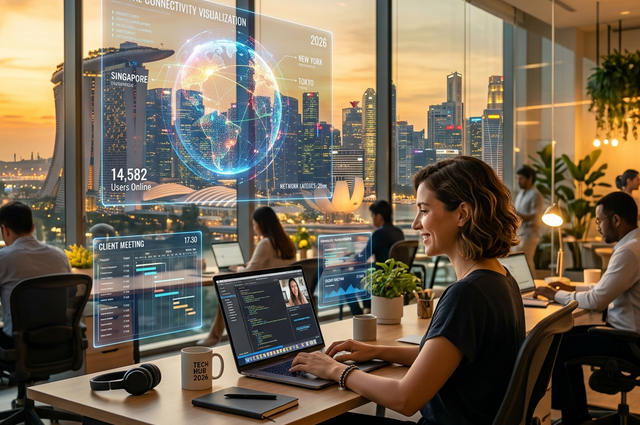
The digital nomad lifestyle in 2026 is more visible than ever, but it is still often described in unrealistic terms. Social media tends to present it as a simple upgrade: better weather, cheaper cities, flexible work, and total freedom. The reality is more nuanced. For some people, location-independent work is a real opportunity. For others, it creates new stress around time zones, taxes, healthcare, routine, and long-term stability.
That is why the best way to talk about digital nomads in 2026 is not as a fantasy of borderless work, but as a practical work model with clear advantages and equally clear trade-offs.
Why The Lifestyle Has Become More Common
Remote collaboration tools are better, asynchronous work is more accepted in some teams, and more countries now understand the economic value of attracting mobile professionals. At the same time, many workers have become more confident about building careers outside a single office or city.
This does not mean every company is remote-first, but it does mean the path is more realistic than it was a few years ago for developers, designers, marketers, consultants, writers, founders, and some operations roles.
The Appeal Is Easy To Understand
For the right person, the model offers genuine benefits: more flexibility, the ability to choose cost of living more intentionally, exposure to new places, and more control over how work fits into life. Some people also find that changing location helps them work with more focus and less burnout than a long commute or expensive city life.
Those benefits are real. But they are only sustainable when the practical foundations are handled well.
The Hard Parts Get Ignored Too Often
The biggest mistakes usually happen in the operational details. Tax residency, visa rules, healthcare, insurance, banking, local compliance, and employer policies can become complicated quickly. A lifestyle that looks simple from a hotel balcony photo may be administratively messy behind the scenes.
There is also the human side. Constant movement can create loneliness, shallow routines, unstable sleep, and difficulty maintaining deep personal relationships. Some nomads thrive with that flexibility. Others eventually want more structure than the aesthetic version of the lifestyle admits.
Security And Work Discipline Matter More Than Ever
Digital nomads also have to think seriously about cybersecurity and work habits. Public Wi-Fi, shared spaces, unmanaged devices, and cross-border travel increase risk. Reliable backups, password hygiene, multi-factor authentication, secure communication tools, and good device practices are not optional for people working this way.
Equally important is professional consistency. Employers and clients usually care less about where someone is and more about whether they communicate clearly, protect data, meet deadlines, and stay dependable across time zones.
What Makes The Lifestyle Sustainable
The people who make this model work over time usually treat it like an operating system, not a vacation. They choose a manageable travel pace, maintain strong work routines, understand legal and financial responsibilities, and build enough stability to avoid turning every month into a reset.
In other words, successful digital nomad life is usually less glamorous than it looks and more structured than it sounds.
Conclusion
Digital nomads in 2026 are not just a trend, but the lifestyle is not universally easy or universally ideal either. It works best for people with portable skills, disciplined work habits, realistic planning, and a clear understanding of the trade-offs. The future of remote work may be more flexible and more global, but it will still reward preparation, stability, and professional reliability over aesthetics alone.