
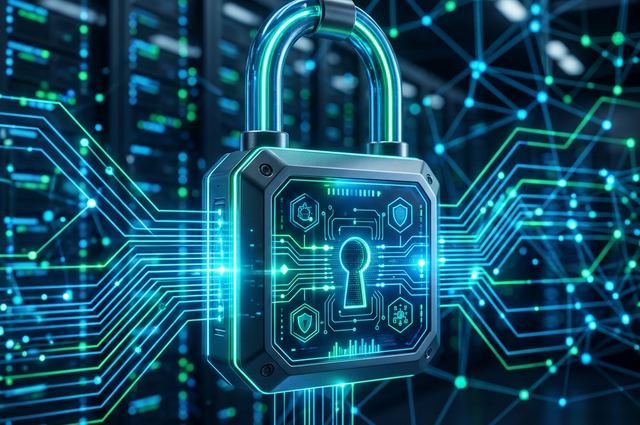
In the digital landscape of 2026, small businesses are no longer “under the radar” for cybercriminals. In fact, they have become the primary targets. Cybercriminals often view small and medium-sized enterprises (SMEs) as “low-hanging fruit” due to their often limited security budgets and personnel. According to recent data from the Cybersecurity & Infrastructure Security Agency (CISA), small businesses are now the victims of over 40% of all cyberattacks globally.
The Current Threat Landscape: What SMEs Face Today
The threats facing small businesses have evolved significantly. While traditional viruses still exist, modern attacks are more localized, sophisticated, and often powered by artificial intelligence. Key threats include:
- Phishing 2.0: Gone are the days of poorly written emails. AI-driven phishing attacks now mimic the exact tone and style of trusted vendors or employees, making them nearly impossible to detect without specialized tools.
- Ransomware-as-a-Service (RaaS): Criminal groups now lease their malware to less technical individuals, democratizing the ability to lock down a business’s data for payment.
- Supply Chain Attacks: Instead of attacking you directly, hackers target a software or service provider you use, gaining a back door into your systems.

Implementing a Zero-Trust Architecture on a Budget
One of the most effective ways to combat these modern threats is the implementation of a Zero-Trust Architecture. As we discussed in our recent deep dive into Zero-Trust 2.0 and AI-driven defense, the core principle is simple: “Never trust, always verify.”
For a small business, this doesn’t require a million-dollar budget. It means ensuring that every user, device, and network connection must be verified before gaining access to your sensitive data, regardless of whether they are inside or outside your physical office.
5 Essential Steps to Secure Your Business Today
If you’re looking for immediate ways to harden your business’s digital perimeter, start with these five foundational pillars:
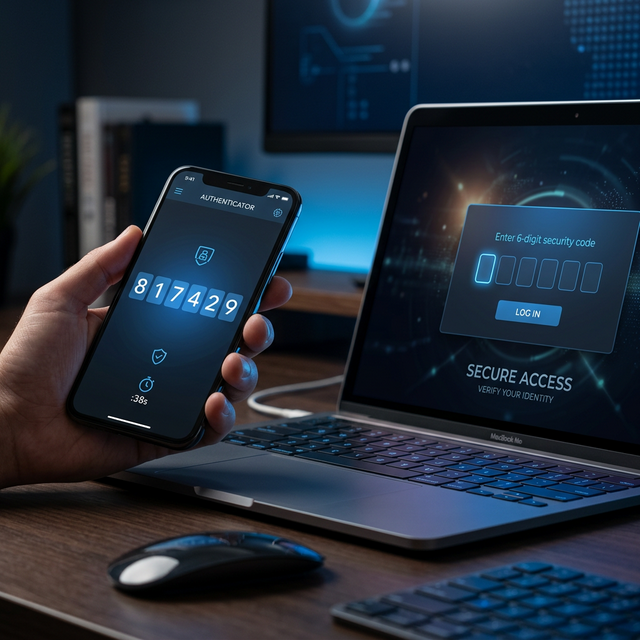
- Enable Multi-Factor Authentication (MFA): This is the single most effective step you can take. MFA adds a critical layer of security that prevents attackers from accessing accounts even if they have the password.
- The 3-2-1 Backup Rule: Keep 3 copies of your data, on 2 different media types, with 1 copy stored off-site or in the cloud. This ensures that even a successful ransomware attack won’t be fatal to your operations.
- Regular Software Patching: Most successful attacks exploit known vulnerabilities for which patches already exist. Automate your software updates wherever possible.
- Employee Security Training: Your staff is your first line of defense. Regular training on how to spot phishing and social engineering can prevent the majority of incidents.
- Secure Your Network Perimeter: Use business-grade firewalls and ensure that any remote access is handled through a secure Virtual Private Network (VPN).
Legal Compliance and External Resources
Beyond protecting your data, cybersecurity is often a legal requirement. Depending on your industry and location, you may be subject to regulations like GDPR or CCPA. For the latest guidance on federal standards, we highly recommend reviewing the NIST Cybersecurity Framework and the CISA Small Business Resources.
Conclusion: Cyber Resilience as a Competitive Advantage
In 2026, cybersecurity is no longer just an IT issue—it’s a critical business function. By investing in basic security hygiene and a zero-trust mindset, you aren’t just protecting your assets; you’re building trust with your customers and ensuring the long-term resilience of your business.
Want to start a career in protecting businesses like these? Read our guide on learning cybersecurity and its demand in the IT industry.
Comments are closed, but trackbacks and pingbacks are open.